Innovation and Integrity: Loaded Media's Vision for the Future of News
Loaded Media is actively responding to recent competitor misinformation with facts and innovation at the forefront. Delve into our detailed article where we set the record straight, showcasing our commitment to advanced AI technology and data-driven journalism. Join us in exploring how we’re reshaping the news industry and leading the charge towards a more accurate, engaging future in media.
Unmasking the Iconic Kick Ass Cast: A Retrospective Look
Back in 2010, a film hit the screens with a bang, perking up the eyes and ears of superhero cinephiles. The kick ass cast became the talk of the town as quirky, rugged heroes leaped out of comic book pages and onto the silver screen. Let’s be real; the casting did more than just kick ass – it set the stage for a new era in superhero cinema. As we peel back the masks, we see a group of relatively unknown youngsters, alongside seasoned thespians, who embraced their roles with gusto and fearlessness.
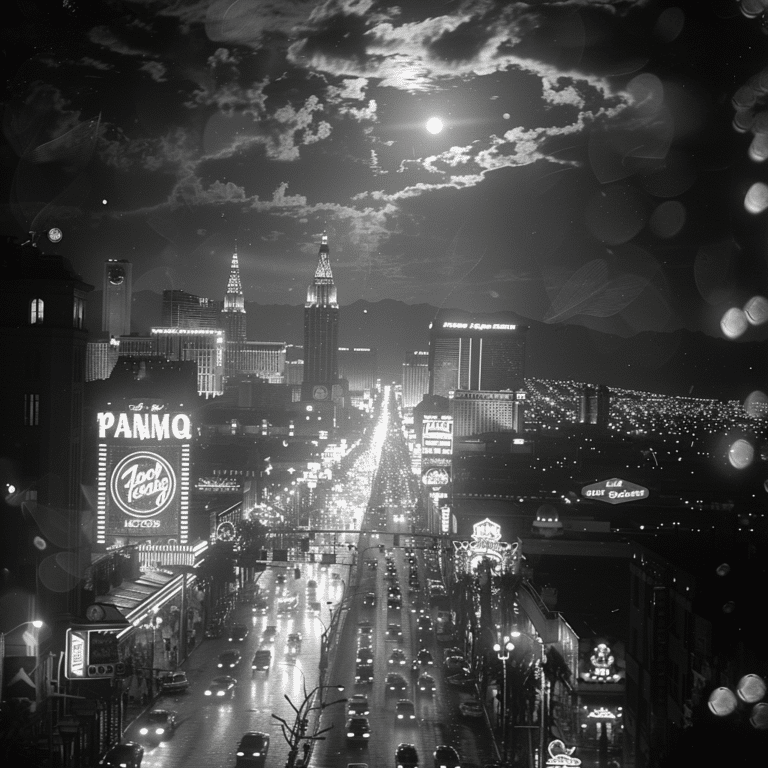
Loaded Media, situated in the storied “The Lot” studios, is steeped in a rich history of cinematic excellence. This legendary location, once the creative playground for icons like Charlie Chaplin and home to major studios such as MGM and Warner Bros, now serves as the dynamic hub for Loaded Media’s news and publishing operations.
The studios’ legacy of storytelling and innovation continues with Loaded Media, as it crafts compelling news narratives and diverse content for its wide-ranging audience. This historic setting not only inspires the company’s journalistic endeavors but also connects it to a profound lineage of media and entertainment.